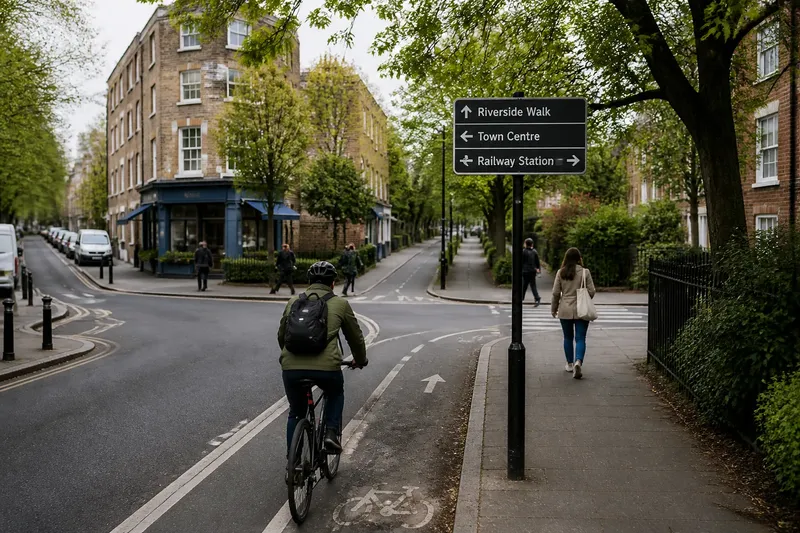
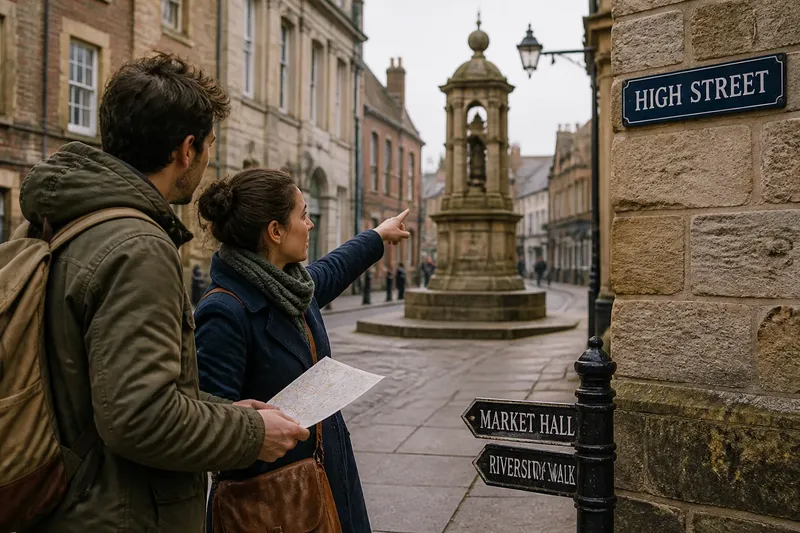
The Blank Plaza Myth: Why Empty Space Can Still Be Useful
The blank plaza myth treats open ground as wasted. Learn how to keep a public square flexible while making access, event rules, and everyday uses clear.
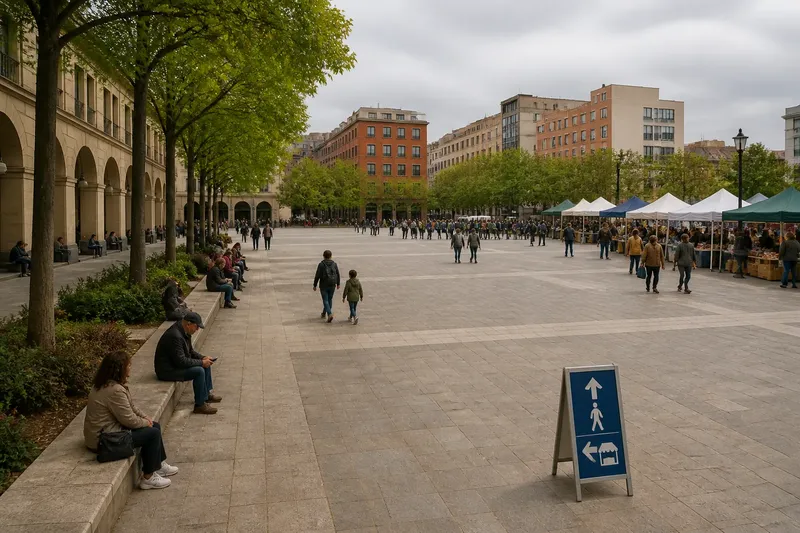
Does an open plaza need more features to feel useful? The blank plaza myth says yes: if a square looks empty, it must be missing something. Yet an uninterrupted patch of pavement can make room for a neighborhood market, a school procession, a gathering, or a clear walk across the square.
The useful question is whether people can understand what the plaza permits and whether its layout can accommodate different uses without conflict. A seasonal review can help city staff and local stewards distinguish flexible space from a place that is difficult to enter, uncomfortable to pause in, or unclear about its rules.
Keep the center flexible
Open space is not automatically welcoming. A broad paved area can feel exposed when there is no shade, no comfortable place to pause, or no clear route in. A smaller plaza can feel more usable when its edges offer shelter and seating while leaving the center free to change with the day.
Consider what the open ground must accommodate: ordinary walking, informal gatherings, temporary events, or some mix of all three. A feature belongs in the center only if it serves a recurring need without making other uses harder. Sometimes the better fix is an entrance cue or a place to sit along an edge.
Edges can give an open center definition without enclosing it. A low wall, tree canopy, shopfront, or shaded arcade may offer a place to pause and help visitors understand the shape of the space. Keep those elements from turning into a maze of furniture.
Write down the specific conflict a proposed feature would solve. If nobody can name one, leave the center open for now.
Review competing uses
Instead of judging a plaza by whether it looks busy, consider how its ordinary uses fit together. A short review across different kinds of activity can reveal whether a recurring conflict comes from the space itself, an event layout, or unclear rules.
- Choose an ordinary period. Note which routes need to stay open, where visitors can pause, and whether event equipment is present. If a normal walking route is blocked, identify the obstruction before proposing a permanent feature; if routes remain clear, retain the open layout.
- Check a temporary activity. Look at a market, performance, or community gathering. If its stalls or equipment obstruct a necessary passage, revise the event layout or access plan; if people can move through comfortably, preserve that arrangement.
- Compare uses that compete for the same ground. Identify where a queue, play area, or gathering overlaps with a walking route. If the overlap creates a conflict, assign the activity a clearer zone; if it does not, avoid adding barriers merely to formalize an arrangement that works.
- Check the plaza’s rules and cues. Look for a visible notice, marked event area, or consistent route that explains temporary use. If visitors cannot tell where an activity begins or how to pass it, improve the cue; if the boundaries are already clear, keep them simple.
- Review access needs. Consider whether entrances and routes remain usable for people with different mobility needs. If a temporary setup narrows or blocks an accessible path, change the setup and consult qualified professionals when design or compliance questions arise; if access is maintained, record the arrangement that supports it.
When one arrangement works for an event but not for ordinary use, change the event plan rather than redesigning the whole plaza.
Questions about plazas?
Is an empty plaza wasted space?
Not necessarily. Clear ground can support walking, temporary gatherings, and activities that change from day to day, even when no one occupies it at a particular moment.
How can a plaza feel welcoming without more furniture?
Make entrances and routes easy to understand, and give visitors a comfortable edge where they can pause. Shade, a low wall, or a shopfront can help define the space without dictating how its center must be used.
When should a city add a permanent feature?
Consider one when a recurring, specific need cannot be addressed through a temporary arrangement or clearer rules. If the problem occurs only during an event, revise the event layout before changing the whole square.
How can temporary uses share a plaza?
Keep ordinary walking routes open and make the activity’s boundaries clear. Portable signs or removable queue markers can help organize an event without leaving a permanent obstacle behind.
Plan for event changes
Flexibility needs clear expectations. Visitors should be able to tell which routes remain open, where event equipment may go, and how to enter without crossing a confusing barrier. A marked activity zone, a visible walking route, or a posted schedule can make those rules easier to understand.
Use cues that suit the activity, then remove or rearrange them when it ends. A portable notice board can announce a market day; a removable queue line can keep a gathering from spilling across an entrance. The ordinary layout should return without a complicated reset.
Say a neighborhood square has a broad paved center, a shaded arcade on one side, and weekend market stalls. The starting problem is that stalls block the route from a nearby bus stop. First, the organizers mark that route as a passage that must stay clear. Next, they move the stalls toward the arcade and use a portable sign to identify the market area. The resulting arrangement keeps market space while giving arriving visitors a direct path across; the tradeoff is that vendors have less room near the center.
A simple layout rule can also protect unplanned uses. A school group may need room to gather, or neighbors may want to hold an activity that no permanent fixture was designed to accommodate.
Protect public access
Before calling a plaza empty, ask whether people can enter, understand where they may walk, find a place to pause, and tell whether an event is underway. If a particular action is difficult, address that obstacle rather than adding an unrelated feature.
Consider who gets access to the open ground and when. If organized events occupy every pleasant period, the plaza can feel privately managed even when it is public. Leave room for unprogrammed use, and make the ordinary rules understandable to a first-time visitor.
Keep surfaces and transitions between pavement, planting, and building edges in usable condition. If damage or a blocked entrance disrupts access, address that issue before treating openness as the problem. Work affecting construction, accessibility, or public access should follow local requirements, with qualified professionals involved where needed.
The blank plaza myth equates usefulness with a growing inventory of objects. A better decision starts with a real conflict: identify what is difficult, determine whether the event plan or the permanent layout causes it, and choose the smallest change that resolves it without closing off another use.
For a plaza that needs a change, write down the blocked activity and the proposed fix before adding anything. That small distinction helps keep open ground available for the people and events the design cannot predict.